Ottawa Ankle Rules: When an Ankle Injury Actually Needs an X-Ray
Medically fact-checked against peer-reviewed sources | Last updated: June 2026
Acute ankle injuries are one of the most common reasons people end up in an emergency department – roughly 25,000 ankle sprains happen every day in the US alone. For decades the default was an X-ray for almost everyone. The Ottawa Ankle Rules (OAR) changed that: a quick bedside check that tells a clinician whether an ankle or foot X-ray is actually needed, without missing fractures that matter.
This guide explores the Ottawa Ankle Rules and their relevance to gamblers, helping them assess ankle injuries, understand when to seek medical attention, and stay on their feet to enjoy the game.
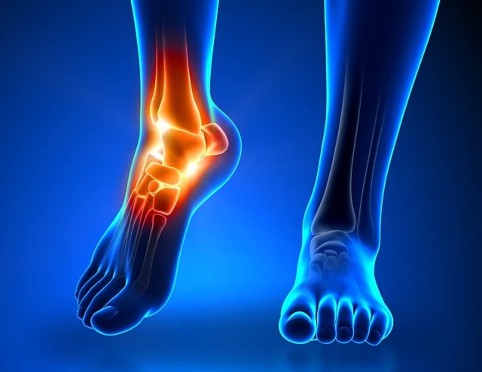
When is an X-ray Needed? The Ottawa Ankle Rules Criteria
The rules split the foot and ankle into two zones – the malleolar zone and the midfoot zone – and rely on four palpation points plus a weight-bearing test (this is what people mean by the “4-point” Ottawa assessment).
| Zone | An X-ray series is indicated if there is pain in this zone AND any one of: |
|---|---|
| Malleolar zone (ankle X-ray) | • Bone tenderness along the distal 6 cm of the posterior edge or tip of the lateral malleolus (fibula) • Bone tenderness along the distal 6 cm of the posterior edge or tip of the medial malleolus (tibia) • Inability to bear weight (take 4 steps) both right after the injury and at the time of exam |
| Midfoot zone (foot X-ray) | • Bone tenderness at the base of the 5th metatarsal • Bone tenderness at the navicular bone • Inability to bear weight (4 steps) both immediately and at exam |
Download a printable one-page Ottawa Ankle Rules reference (PDF) – handy to keep at the triage desk or in a clinic exam room.
If none of these signs are present, the chance of a clinically important fracture is under 2%, so an X-ray can usually be safely skipped. The rules don’t apply to everyone – pregnant patients, people who are intoxicated or have a head injury, and injuries older than ~10 days are excluded.
Injury Risks for Players: Offline vs Online Casinos
Gambling, whether in bustling Ontario casinos or through captivating online casino sessions, often involves prolonged periods of sitting or inactivity. This sedentary lifestyle can lead to weakened leg and ankle muscles, increasing the risk of sprains and other injuries. Studies have shown a strong correlation between a lack of physical activity and an increased risk of ankle sprains. For a balanced approach to online gaming, opt for the best casino platforms that come with session alarms to prompt breaks and exercise. Start with this list of player-friendly options for a healthy experience at the best Ontario online casinos.
Traditional Casino Risks
In the bustling environment of a traditional casino in Ontario, players often find themselves navigating through crowded spaces, standing for long periods at tables, or engaging in celebratory actions. These activities can introduce several risks:
- Physical Exertion and Crowded Spaces: Moving through crowded casino floors requires agility and can strain unaccustomed muscles and joints, increasing the risk of sprains and injuries.
- Prolonged Standing: Many casino games require players to stand for extended periods, contributing to lower limb fatigue and increasing the likelihood of ankle and foot discomfort.
- Sudden Movements: The thrill of winning can lead to sudden jumps or enthusiastic celebrations, risking awkward landings or movements that can lead to sprains or more severe injuries for those not used to regular physical activity.
Online Casino Risks
Conversely, the online casino experience is predominantly sedentary, with Ontario players spending long hours in front of screens without much physical movement. This environment introduces a different set of risks:
- Sedentary Lifestyle: Extended periods of sitting can weaken leg and ankle muscles, making them more susceptible to sprains and other injuries when sudden physical activity does occur.
- Postural Strain: The lack of movement and potentially poor ergonomic setups can lead to postural issues, contributing to overall musculoskeletal strain, including the lower limbs and ankles.
- Reduced Awareness of Physical Discomfort: Immersion in online casino gameplay can dull the awareness of physical discomfort or the need for movement, potentially leading to overuse injuries or exacerbating existing conditions.
While both traditional and online casinos carry risks of ankle and leg injuries, the nature of these risks differs significantly due to the contrasting physical demands of each environment. Traditional casinos pose risks associated with physical exertion and navigating physical spaces, whereas online casinos contribute to a sedentary lifestyle that can weaken muscles and joints over time.
Understanding the Ottawa Ankle Rules
Developed by a team of sharp minds in Ottawa, Canada, the OAR is not a magic trick but rather a set of evidence-based guidelines specifically designed for ankle injuries. They were first developed in 1992 by Dr. Ian Stiell and his colleagues at the Ottawa Hospital in Canada. These guidelines help healthcare professionals determine whether an X-ray is truly necessary, saving you from unnecessary radiation exposure and potential medical costs.
Prior to the OAR, most ankle injuries received X-rays as a standard precaution. However, the OAR’s brilliance lies in its ability to accurately identify serious fractures, particularly those in the ankle bones (malleoli) and the midfoot, all while minimizing unnecessary interventions. The malleoli are the two bony bumps on either side of the ankle: the lateral malleolus (the lower end of the fibula, on the outside) and the medial malleolus (the lower end of the tibia, on the inside). Most clinically important ankle fractures involve one of these two landmarks, which is why the rules focus on them.
These rules were developed through a series of studies that aimed to identify the most accurate and reliable clinical indicators of ankle fractures. These studies involved thousands of patients and were conducted over several years.
Components of the Ottawa Ankle Rules
The OAR has two parts: the Ankle Rule (for the malleolar zone) and the Foot Rule (for the midfoot zone). Both combine bone palpation – pressing along the distal 6 cm of the tibia and fibula, plus the navicular and the base of the 5th metatarsal – with a weight-bearing test. Tenderness over the posterior medial malleolus is the single strongest predictor of fracture.
Ottawa Knee and Ankle Rules: Comparative Analysis
The Ottawa Knee Rules are a set of guidelines used to determine whether a knee injury requires an X-ray or not. They were developed by the same group of emergency physicians who developed the Ottawa Ankle Rules.
The Ottawa Ankle Rules and the Ottawa Knee Rules are similar in that they are both designed to reduce unnecessary X-rays and healthcare costs. However, they differ in their components and the signs and symptoms used to determine whether an X-ray is necessary.
The OARs and the OKRs are both important tools for clinicians in the assessment and management of musculoskeletal injuries. They can help clinicians make more informed decisions about the need for X-rays and other diagnostic tests.
Is There an “Ottawa Score” or “Ottawa Classification”? A common point of confusion: the Ottawa Ankle Rules are not a numeric score or a fracture-grading system. They’re a simple yes/no decision tool – if any criterion is positive, imaging is indicated. Fractures themselves are classified with systems like Danis-Weber or Lauge-Hansen, not by an “Ottawa score.” If you’ve seen the term “4-point Ottawa,” it refers to the four palpation points above, not a points total.
Other Ottawa Rules for Different Body Regions
The Ottawa Wrist Fracture Rules are a set of guidelines used to determine whether a wrist injury requires an X-ray or not. They are similar in design and purpose to the Ottawa Ankle Rules and can be used by online casino enthusiasts as well.
Canadian C-Spine Rule and Canadian CT Head Rule
The Canadian C-Spine Rule and the Canadian CT Head Rule were developed by the same Ottawa group (Stiell et al.) to decide when neck or head imaging is needed after trauma – for example, whether a patient with a neck injury needs an X-ray at all. (The US-developed NEXUS criteria serve a similar purpose for the cervical spine.)
Clinical Significance and Benefits
The Ottawa Ankle Rules have been shown to be highly accurate in detecting ankle fractures, with a sensitivity close to 100% (about 99.4% in adults) and a modest specificity that varies across studies (roughly 16-51%). A negative result is highly reassuring – the pooled negative likelihood ratio is around 0.08. In practice the rules cut unnecessary ankle and foot X-rays by 30-40%, shortening ED waiting times and lowering costs without missing significant fractures. The use of the OARs has been associated with a reduction in unnecessary X-rays and healthcare costs. This is because the rules help clinicians make more informed decisions about the need for X-rays and other diagnostic tests.
The use of the Ottawa Ankle Rules has been shown to improve patient outcomes and satisfaction. This is because the rules help clinicians make more accurate diagnoses and provide more appropriate treatment.
OAR Application for Gamblers
While the OAR is primarily intended for medical professionals, understanding its core principles can be beneficial for gamblers as well. By familiarizing themselves with the OAR, online casino players can gain a basic understanding of how to assess the severity of an ankle injury sustained during or after gambling activities.
Here are some real-life scenarios where the OAR can be helpful for gamblers:
Scenario 1: A gambler jumps up in excitement after winning a significant bet and lands awkwardly, experiencing a sharp pain in their ankle. By applying the OAR’s guidance on pain location and tenderness, they can determine if the injury is likely a sprain or a more serious fracture.
Scenario 2: While navigating through a crowded casino floor, a gambler steps on someone’s foot and rolls their ankle outwards. Understanding the OAR’s criteria for midfoot tenderness can help them assess if the injury might involve the bones of the midfoot, potentially requiring further medical evaluation.
Ankle Injury Prevention for Online Casino Players
While the OARs are invaluable for assessing injuries, prevention is the cornerstone for those with sedentary lifestyles, including Ontario online casino enthusiasts. To safeguard against ankle injuries during those marathon online casino sessions, here are enhanced recommendations:
- Regular Stretching and Strengthening Exercises: Engaging in exercises that target the calf muscles, ankles, and feet can significantly boost flexibility and strength. This is particularly crucial for online casino players, as it reduces the risk of sprains. A few dedicated minutes to these exercises daily can yield substantial benefits.
- Taking Breaks and Moving Around: The static nature of playing at online casinos can lead to stiffness and elevate the risk of injuries. It’s vital to interrupt prolonged sitting by taking regular breaks. Every 30-60 minutes, make it a point to stand up, stretch, and walk around, even if it’s just for a short while. This practice aligns with the preventative spirit of the OAR, emphasizing the importance of movement to maintain musculoskeletal health.
- Appropriate Footwear: Even in the comfort of your home, where online casinos bring the gaming experience, wearing supportive footwear can make a difference, especially for those who prefer standing desks or occasionally stand while gaming. Shoes with good ankle support and shock absorption can prevent instability and strain.
Frequently Asked Questions (FAQs)
The Ottawa Ankle Rules are a set of guidelines used to determine whether an ankle injury requires an X-ray or not. They were developed to identify clinically important fractures of the ankle and midfoot.
In clinical settings, the Ottawa Ankle Rules are applied through a combination of physical examination, palpation, and assessment of specific signs and symptoms. These rules help clinicians determine whether an X-ray is necessary for further evaluation.
Not always. If a clinician applies the Ottawa Ankle Rules and none of the criteria are positive, the injury is very unlikely to be a fracture and can usually be managed at home with rest, ice, and gradual return to weight-bearing. But if pain or swelling persists beyond 5-7 days, or you still can’t bear weight, book an assessment at a foot and ankle clinic – persistent symptoms can point to an occult fracture or a significant ligament injury that the initial exam can miss.
While the Ottawa Ankle Rules are primarily used by healthcare professionals, online gamblers can familiarize themselves with the basic principles. By understanding the location and nature of their pain, as well as the presence of tenderness in specific areas, players can make an initial assessment of their injury. However, it is always recommended to seek professional medical advice for a proper diagnosis and treatment plan.
In addition to the Ottawa Ankle Rules, there are other Ottawa Rules for different body regions, including the Ottawa Knee Rules, the Canadian C-Spine Rule, and the Canadian CT Head Rule.
Both rules decide whether an ankle injury needs an X-ray. The Ottawa Ankle Rules prioritise sensitivity – close to 100%, so they rarely miss a fracture, but at the cost of a low specificity. The Bernese Ankle Rule is designed for higher specificity, which can reduce the number of X-rays further, but it’s used less widely. In practice the OAR remain the standard because missing a fracture is riskier than ordering an extra film.
Yes, there are several preventive measures online gamblers can take to maintain ankle health and reduce the risk of injuries. These include regular stretching and strengthening exercises for the calf muscles, ankles, and feet; taking breaks and moving around every 30-60 minutes during long gaming sessions; and wearing appropriate footwear with good ankle support and shock absorption.
Yes – a one-page summary of the ankle and foot criteria is available above. It covers both zones, all four palpation points, and the weight-bearing test.
Sources
- Stiell IG, Greenberg GH, McKnight RD, et al. A study to develop clinical decision rules for the use of radiography in acute ankle injuries. Ann Emerg Med. 1992;21(4):384-390.
- Bachmann LM, Kolb E, Koller MT, et al. Accuracy of Ottawa ankle rules to exclude fractures of the ankle and mid-foot: systematic review. BMJ. 2003;326(7386):417.
- Beckenkamp PR, Lin CC, Macaskill P, et al. Diagnostic accuracy of the Ottawa Ankle and Midfoot Rules: a systematic review with meta-analysis. Br J Sports Med. 2017;51(6):504-510.